Shakespeare’s Genres
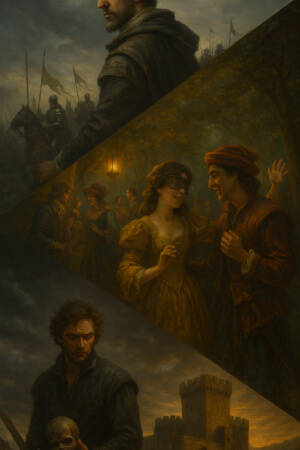
Shakespeare wrote across multiple genres, each offering unique storytelling techniques and insights into human experience.
Tragedy
Shakespearean tragedies, such as Hamlet, Macbeth, and Othello, explore themes of ambition, fate, morality, and human frailty. These plays often feature a tragic hero whose flaws lead to downfall, offering insight into the complexities of human nature and the consequences of choices.
Comedy
Comedies like A Midsummer Night’s Dream and Twelfth Night combine humor, mistaken identities, and intricate plots to entertain while exploring social norms, love, and reconciliation. Shakespearean comedies often conclude with marriages or reunions, emphasizing resolution and harmony.
History Plays
Shakespeare’s history plays, including Richard III and Henry IV, dramatize the lives of English monarchs, blending political intrigue, power struggles, and moral reflection. These works provide both historical context and commentary on leadership, ambition, and national identity.
Poetry and Sonnets
Beyond drama, Shakespeare’s sonnets and narrative poems reveal his mastery of language, exploring themes of love, time, mortality, and beauty. His poetic works often display intricate wordplay, metaphor, and emotional depth, reflecting the universal nature of human experience.
Themes in Shakespeare’s Work
Recurring themes give Shakespeare’s works depth and enduring relevance.
Human Nature and Morality
Shakespeare frequently examines the moral dilemmas, desires, and flaws that define humanity. Characters grapple with ambition, loyalty, love, jealousy, and revenge, offering audiences a mirror to their own experiences and ethical choices.
Love and Relationships
Romantic and familial relationships are central to many of Shakespeare’s plays. He explores the complexities of love, its joys, misunderstandings, and tragedies, while highlighting societal pressures and personal conflicts that shape human connections.
Power and Ambition
The pursuit of power and its consequences is a dominant theme in tragedies and histories. Shakespeare illustrates how ambition can drive both greatness and destruction, reflecting on leadership, political intrigue, and human ego.
Historical Context
Understanding the historical and cultural context of Shakespeare’s time enriches comprehension of his works.
Elizabethan England
Shakespeare wrote during the Elizabethan era, a period marked by political stability under Queen Elizabeth I, as well as social, economic, and artistic growth. The theater flourished, offering audiences access to both entertainment and moral reflection.
Renaissance Influence
The Renaissance emphasis on humanism, classical learning, and exploration of individual potential influenced Shakespeare’s themes and character development. His works often blend contemporary concerns with timeless philosophical and artistic ideas.
Theater and Performance
The Globe Theatre and other Elizabethan playhouses provided venues for Shakespeare’s plays. Staging conventions, audience expectations, and performance styles of the era shaped how his works were written and received, emphasizing visual storytelling, rhythm, and wordplay.
Modern Interpretations and Influence
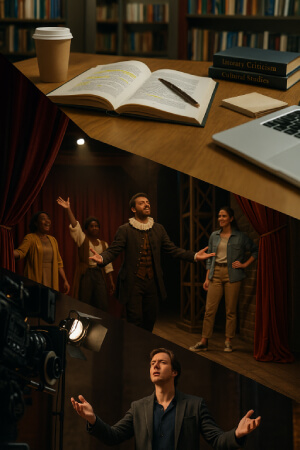
Shakespeare’s works continue to inspire reinterpretation across cultures, media, and artistic forms.
Film and Television Adaptations
Countless adaptations of Shakespeare’s plays have been produced for film and television, ranging from faithful period pieces to modern reimaginings. Directors often use contemporary settings, diverse casting, and creative visual techniques to make Shakespeare’s stories accessible to modern audiences.
Contemporary Theater
Theater companies worldwide reinterpret Shakespeare with innovative staging, inclusive casting, and cultural adaptations. Experimental productions explore new perspectives, highlight overlooked themes, or merge Shakespeare with other genres and art forms.
Academic and Cultural Study
Shakespeare is a central figure in literary studies, inspiring research, critical analysis, and educational programs. His language, themes, and characterizations provide fertile ground for exploring literature, history, psychology, and cultural identity.
Shakespeare’s Enduring Legacy
William Shakespeare is hailed as an iconoclast for being able to encompass the entire range of human experience through the development of rich characters, involving plots, and poetic language. Going through his tragedies, comedies, histories, and sonnets, he reflects on the society of his own period as well as on the nature of human hearts over all times. To understand Shakespeare is to understand his genres, themes, commentary worth, history, and modern interpretation, revealing the reasons why still will captivate live audiences as well as inspire souls all around the world.
Related Topics

U.S. History Explained: Major Events, Cultural Trends, and Politics
American history offers a rich and evolving view of the events, ideas, and cultural movements that have shaped the nation over centuries. From the earliest indigenous societies to contemporary political developments, exploring this history reveals the social, economic, and cultural forces that define the United States today. This page highlights key historical moments, significant cultural shifts, and political evolution, providing a comprehensive perspective on America’s past and its enduring influence on the present.
Continue Reading...
Ancient and Classical History: Civilizations, Mythology, and Cultural Origins
Ancient and classical history provides one of the first windows into human civilization. It is the foundation of culture and belief systems and societal structures that have continued to determine the contours of the modern world. From the rise of early civilization to the intellectual achievements of classical societies, the period boasts many tales of mythology, heroes, governance, and cultural practices. A brief survey of some of the significant features reveals much about law, art, religion, and social norms, which have an impact on the human experience through many generations.
Continue Reading...
Classic Literature: Archetypes, Themes, Influential Authors & Critical Interpretation
Classic literature represents the enduring works of the literary canon, reflecting the values, struggles, and imagination of past societies. These works, spanning poetry, novels, plays, and essays, have influenced generations of writers and readers, offering insights into human nature, culture, and morality. Understanding classic literature requires examining its archetypes, recurring themes, influential authors, and the critical interpretations that continue to shape our reading today.
Continue Reading...
Art History: Influential Artists, Movements, Architecture & Cultural Works Across Eras
Art has always existed as a reflection of the human condition, culture, and perhaps what human beings feel. The gamut of art, from cave drawings through contemporary installations, has largely been a process of reflection-the history of art reflects on the evolution, belief and humanity's creative endeavor; it tells us how various societies have conveyed their ideas, celebrated their memories, or set norms through visual culture. Such discussions expand toward some artist and movements including avant-garde and architecture and culture. These are naturally critical concerns from one realm of activity to another in our modern universe.
Continue Reading...Quick Links
Teaching FORM through Lady Macbeth’s tragic arc has really helped my students to see how Shakespeare builds tragedy through character. It’s been a game-changer for their analytical writing and for pushing students towards grade 8&9.#teamenglish #macbeth #gcseenglish #literature pic.twitter.com/34SMhdu3dc
— Abena Appiah (@AbenaAppiah) December 4, 2025
Quick weight loss sounds tempting — keto hacks, protein shakes, extreme diets… but what’s the real cost? 😳
— B L Mittal (@blmittal01) December 7, 2025
Dr. Rahul Jain breaks down the hidden dangers behind “fast results” and why safe, sustainable weight loss always wins.#HealthFirst #DietRealityCheck #WeightLossFacts pic.twitter.com/OGyipeCdX3