Archetypes in Classic Literature
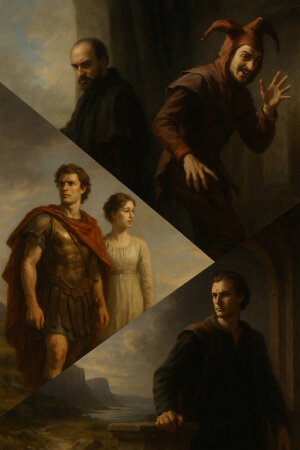
Archetypes are recurring symbols, characters, and narrative patterns that appear across literary traditions. Recognizing these archetypes helps readers identify deeper meanings and universal truths in classic works.
Hero and Heroine Archetypes
One of the most ancient literary archetypes in the repertoire is the hero archetype, representative of the seekers and the trials and transformations before them. Odysseus from The Odyssey and Elizabeth Bennet from Jane Austen’s Pride and Prejudice are be called the foremost examples of courage, endurance through tumult, and immense growth. Being the greatest reflection of idealism in any society, archetypes for heroines and heroes collectively express personal development throughout many cultures and epochs.
The Villain and Trickster
Villains and tricksters serve as foils to protagonists, challenging them morally, intellectually, or physically. Characters like Iago in Shakespeare’s Othello or Mephistopheles in Goethe’s Faust illustrate human complexity, temptation, and moral ambiguity. These archetypes allow authors to explore ethical dilemmas and the consequences of choices.
Recurring Themes
Classic literature frequently explores themes that remain relevant today. Understanding these themes provides insight into the concerns and values of past societies while offering lessons for contemporary readers.
Love, Conflict, and Morality
Themes of love, betrayal, honor, and morality permeate many classic works. Shakespeare’s plays, such as Romeo and Juliet or Hamlet, delve into human emotion and ethical dilemmas, showing how personal desires intersect with societal expectations. These timeless themes encourage reflection on human behavior and relationships.
Society and Identity
Literature often examines the tension between individual identity and societal norms. From Charles Dickens’ critique of Victorian society to the existential explorations in Dostoevsky’s Crime and Punishment, classic works address the challenges of conformity, social injustice, and personal conscience.
Human Nature and Philosophy
Many classic works interrogate fundamental questions about human nature, morality, and existence. Philosophical novels like The Brothers Karamazov or allegories such as Paradise Lost invite readers to consider ethical principles, spiritual struggles, and the human capacity for both good and evil.
Influential Authors
Classic literature is shaped by writers whose ideas, styles, and narratives have had lasting cultural and literary impact.
Ancient and Medieval Authors
Homer, Virgil, and Dante shaped the foundations of Western literature with epic narratives and explorations of heroism, morality, and divine influence. Their works remain central to the study of myth, storytelling, and literary tradition.
Renaissance and Enlightenment Writers
Writers like Shakespeare, John Milton, and Jonathan Swift expanded literary form and philosophical inquiry. Shakespeare’s plays combined psychological insight with poetic mastery, while Swift’s satires, such as Gulliver’s Travels, critiqued social and political norms of the time.
Modern Classic Authors
Authors from the 19th and 20th centuries, including Jane Austen, Charles Dickens, Leo Tolstoy, and Virginia Woolf, examined societal change, human psychology, and moral complexity. Their narratives continue to resonate due to their insightful exploration of timeless human experiences.
Critical Interpretation
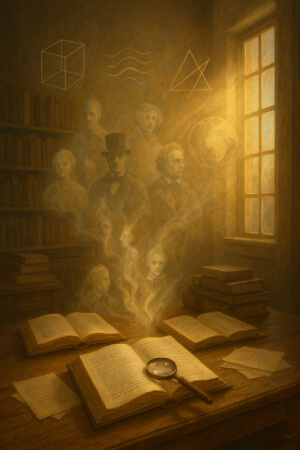
The study of classic literature is enriched by critical interpretation, which considers context, meaning, and literary techniques. Critical approaches offer tools to analyze works beyond surface-level reading, exploring symbolism, narrative structure, and cultural significance.
Historical and Cultural Context
Understanding the historical and social conditions of a work helps readers grasp its themes and intentions. For instance, studying the political climate during George Orwell’s 1984 clarifies the author’s warnings about totalitarianism and social control.
Literary Criticism
Various schools of literary criticism, such as formalism, feminism, postcolonialism, and psychoanalysis, allow readers to interpret literature from multiple perspectives. These approaches uncover hidden meanings, question assumptions, and highlight diverse interpretations that keep classic works relevant across generations.
Reader Response
Reader response criticism emphasizes the interaction between text and reader, acknowledging that interpretation is shaped by individual experience. Engaging with classic literature in this way makes it a living, evolving conversation rather than a static collection of texts.
The Enduring Value of Classic Literature
Classic literature remains alive because it embodies shared human experiences, raises deep ethical and philosophical questions, and often mirrors the landscape of societal norms and with its concomitantly changing culture. By examining archetypal themes, recurrent themes, significant literature, and critical interpretations, one becomes equipped to commit more thought and appreciation for the literary canon, which develops through habitual rhetoric.
Related Topics
U.S. History Explained: Major Events, Cultural Trends, and Politics
American history offers a rich and evolving view of the events, ideas, and cultural movements that have shaped the nation over centuries. From the earliest indigenous societies to contemporary political developments, exploring this history reveals the social, economic, and cultural forces that define the United States today. This page highlights key historical moments, significant cultural shifts, and political evolution, providing a comprehensive perspective on America’s past and its enduring influence on the present.
Continue Reading...
Ancient and Classical History: Civilizations, Mythology, and Cultural Origins
Ancient and classical history provides one of the first windows into human civilization. It is the foundation of culture and belief systems and societal structures that have continued to determine the contours of the modern world. From the rise of early civilization to the intellectual achievements of classical societies, the period boasts many tales of mythology, heroes, governance, and cultural practices. A brief survey of some of the significant features reveals much about law, art, religion, and social norms, which have an impact on the human experience through many generations.
Continue Reading...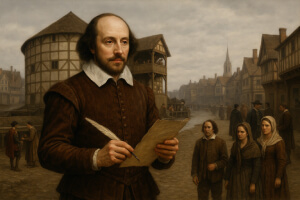
The World of Shakespeare: Genres, Themes, and Lasting Influence
William Shakespeare is widely considered to be one of the most important writers in the English language. His plays, writings, and poems reflect a tradition that has survived for more than four hundred years. It is important to read Shakespeare effectively in order to examine his genres, the usual themes of his drama and passions, and the historical and cultural context of his age-along with contemporary rethinking of his work. This page offers a comprehensive introduction for the reader interested in the timeless relevance.
Continue Reading...
Art History: Influential Artists, Movements, Architecture & Cultural Works Across Eras
Art has always existed as a reflection of the human condition, culture, and perhaps what human beings feel. The gamut of art, from cave drawings through contemporary installations, has largely been a process of reflection-the history of art reflects on the evolution, belief and humanity's creative endeavor; it tells us how various societies have conveyed their ideas, celebrated their memories, or set norms through visual culture. Such discussions expand toward some artist and movements including avant-garde and architecture and culture. These are naturally critical concerns from one realm of activity to another in our modern universe.
Continue Reading...Quick Links
Teaching FORM through Lady Macbeth’s tragic arc has really helped my students to see how Shakespeare builds tragedy through character. It’s been a game-changer for their analytical writing and for pushing students towards grade 8&9.#teamenglish #macbeth #gcseenglish #literature pic.twitter.com/34SMhdu3dc
— Abena Appiah (@AbenaAppiah) December 4, 2025
Quick weight loss sounds tempting — keto hacks, protein shakes, extreme diets… but what’s the real cost? 😳
— B L Mittal (@blmittal01) December 7, 2025
Dr. Rahul Jain breaks down the hidden dangers behind “fast results” and why safe, sustainable weight loss always wins.#HealthFirst #DietRealityCheck #WeightLossFacts pic.twitter.com/OGyipeCdX3