Major Art Movements
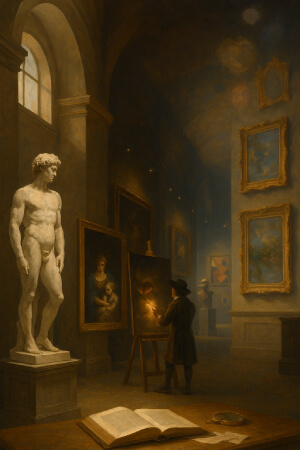
Art movements are periods in which artists shared similar styles, philosophies, or techniques, often in reaction to preceding trends. Understanding these movements allows us to see patterns of innovation and resistance in creative history.
Renaissance Art
Emerging in 14th-century Italy, the Renaissance marked a revival of classical learning and artistic techniques. Artists like Leonardo da Vinci, Michelangelo, and Raphael emphasized realism, perspective, and human emotion. Renaissance art reflects a balance between scientific observation and spiritual themes, with works such as The Last Supper and the Sistine Chapel ceiling serving as enduring examples of technical mastery and creative vision.
Baroque and Rococo
The Baroque period (17th century) focused on drama, grandeur, and movement. Artists like Caravaggio and Peter Paul Rubens employed intense contrasts of light and shadow to create emotional depth. Rococo, which followed in the 18th century, introduced lighter, more playful aesthetics, often emphasizing elegance and decorative charm in works by artists such as François Boucher and Jean-Honoré Fragonard.
Modern and Contemporary Movements
From the late 19th century onward, art movements became increasingly diverse. Impressionism, led by Claude Monet and Edgar Degas, captured fleeting moments with vibrant light and color. Cubism, pioneered by Pablo Picasso and Georges Braque, challenged traditional perspective, fragmenting forms to explore multiple viewpoints. Surrealism, Abstract Expressionism, and Pop Art further expanded the possibilities of artistic expression, reflecting evolving social, political, and technological contexts.
Influential Artists
Throughout history, certain artists have profoundly shaped art and culture, leaving legacies that continue to inspire.
Classical Masters
In the classical period, Greek and Roman sculptors and architects created works emphasizing proportion, harmony, and idealized human forms. Sculptures such as the Venus de Milo and architectural marvels like the Parthenon remain iconic examples of artistic achievement.
Renaissance Innovators
Leonardo da Vinci and Michelangelo are synonymous with Renaissance genius, blending artistic skill with intellectual curiosity. Their works not only demonstrate technical brilliance but also explore human emotion, anatomy, and philosophical ideas.
Modern Icons
Modern artists like Vincent van Gogh, Frida Kahlo, and Jackson Pollock redefined the boundaries of artistic expression. Their work reflects personal narratives, emotional intensity, and experimental approaches, challenging viewers to engage with art in new ways.
Architectural Evolution
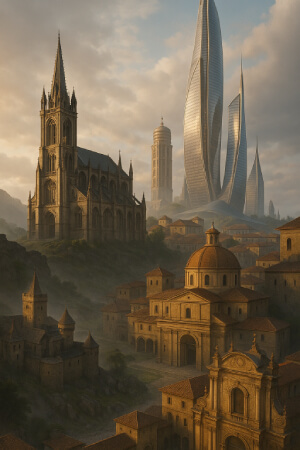
Architecture is a key element of art history, illustrating cultural values, technological advancements, and aesthetic principles.
Gothic and Medieval Architecture
Gothic cathedrals, characterized by pointed arches, ribbed vaults, and flying buttresses, symbolize religious devotion and architectural innovation. Examples include Notre-Dame de Paris and Chartres Cathedral. Medieval fortifications and castles also provide insight into societal organization and defense strategies of the era.
Renaissance and Baroque Architecture
Renaissance architecture emphasized symmetry, proportion, and the revival of classical Roman forms. Baroque architecture introduced dynamic shapes, elaborate ornamentation, and dramatic spatial compositions. Structures like St. Peter’s Basilica in Vatican City demonstrate how art and architecture converged to convey power and grandeur.
Modern Architectural Innovations
The 20th and 21st centuries have witnessed radical transformations in architecture. Movements such as Modernism, Deconstructivism, and sustainable design prioritize functionality, innovation, and environmental considerations. Iconic structures include Frank Lloyd Wright’s Fallingwater and Zaha Hadid’s fluid, futuristic designs.
Cultural Works Across Eras
Art extends beyond paintings and architecture; it encompasses sculpture, decorative arts, textiles, ceramics, and more. These works offer insights into daily life, religious practices, and societal values across different periods.
Ancient and Indigenous Art
Cultural works from ancient civilizations, including Mesopotamian reliefs, Egyptian tomb paintings, and indigenous crafts, reveal spiritual beliefs, social structures, and artistic ingenuity. These creations often served ceremonial purposes or communicated historical narratives.
Decorative and Applied Arts
From the intricate tapestries of the medieval period to Art Nouveau furniture and contemporary design, applied arts highlight the intersection of aesthetics and practicality. They demonstrate how art permeates everyday life, influencing taste, culture, and identity.
Global Perspectives
Art history is enriched by contributions from around the world. Asian, African, Latin American, and Middle Eastern art each offers unique techniques, motifs, and cultural perspectives. Recognizing these diverse contributions broadens our understanding of global creativity and cultural exchange.
Understanding Art History
The study of art history helps us appreciate human creative achievements while aiding us in understanding how culture, politics, and society have shaped artistic expression. By examining various movements, artists, architecture, and cultural objects, we open up a study unto human experience throughout time and place.
Related Topics
U.S. History Explained: Major Events, Cultural Trends, and Politics
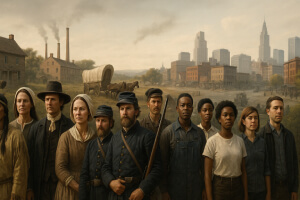
American history offers a rich and evolving view of the events, ideas, and cultural movements that have shaped the nation over centuries. From the earliest indigenous societies to contemporary political developments, exploring this history reveals the social, economic, and cultural forces that define the United States today. This page highlights key historical moments, significant cultural shifts, and political evolution, providing a comprehensive perspective on America’s past and its enduring influence on the present.
Continue Reading...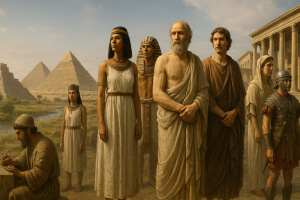
Ancient and Classical History: Civilizations, Mythology, and Cultural Origins
Ancient and classical history provides one of the first windows into human civilization. It is the foundation of culture and belief systems and societal structures that have continued to determine the contours of the modern world. From the rise of early civilization to the intellectual achievements of classical societies, the period boasts many tales of mythology, heroes, governance, and cultural practices. A brief survey of some of the significant features reveals much about law, art, religion, and social norms, which have an impact on the human experience through many generations.
Continue Reading...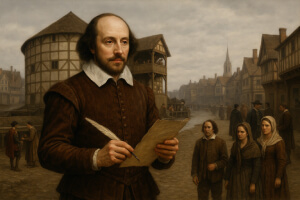
The World of Shakespeare: Genres, Themes, and Lasting Influence
William Shakespeare is widely considered to be one of the most important writers in the English language. His plays, writings, and poems reflect a tradition that has survived for more than four hundred years. It is important to read Shakespeare effectively in order to examine his genres, the usual themes of his drama and passions, and the historical and cultural context of his age-along with contemporary rethinking of his work. This page offers a comprehensive introduction for the reader interested in the timeless relevance.
Continue Reading...
Classic Literature: Archetypes, Themes, Influential Authors & Critical Interpretation
Classic literature represents the enduring works of the literary canon, reflecting the values, struggles, and imagination of past societies. These works, spanning poetry, novels, plays, and essays, have influenced generations of writers and readers, offering insights into human nature, culture, and morality. Understanding classic literature requires examining its archetypes, recurring themes, influential authors, and the critical interpretations that continue to shape our reading today.
Continue Reading...Quick Links
Teaching FORM through Lady Macbeth’s tragic arc has really helped my students to see how Shakespeare builds tragedy through character. It’s been a game-changer for their analytical writing and for pushing students towards grade 8&9.#teamenglish #macbeth #gcseenglish #literature pic.twitter.com/34SMhdu3dc
— Abena Appiah (@AbenaAppiah) December 4, 2025
Quick weight loss sounds tempting — keto hacks, protein shakes, extreme diets… but what’s the real cost? 😳
— B L Mittal (@blmittal01) December 7, 2025
Dr. Rahul Jain breaks down the hidden dangers behind “fast results” and why safe, sustainable weight loss always wins.#HealthFirst #DietRealityCheck #WeightLossFacts pic.twitter.com/OGyipeCdX3